Fukuoka with a baby (0–1) 6 spots
Fukuoka is the gateway to Kyushu, and its airport is only a few subway stops from the city centre. Because getting around takes so little time, you can use your arrival day, and go back to the hotel for a nap without losing an afternoon. It suits families who want to cut down on transfers and long journeys.
Kyushu's gateway, with the subway running directly beneath the domestic terminal.
Stroller OK · Nursing room · Changing table · checked Aug ’26
Fukuoka Zoo & Botanical Garden
A zoo and botanical garden in one, with a Ferris wheel over Fukuoka.
Stroller OK · Nursing room · Changing table · checked Sep ’26
An aquarium of Kyushu's own seas, from the deep to a seven-meter open-ocean tank.
Stroller OK · Nursing room · Family restroom · checked Aug ’26
A hands-on science museum built around a 25-meter planetarium dome.
Stroller OK · Nursing room · Changing table · checked Aug ’26
A zoo laid out by habitat, with a 13-meter aviary you walk into.
Stroller OK · Nursing room · Changing table · checked Aug ’26
Ippudo's main ramen shop in Fukuoka, with two bowls named after the store itself.
checked Sep ’26

You can borrow a stroller at the information counter beside the arrival exit and take the elevator straight down to the subway platform directly beneath the domestic terminal. Nothing has to be carried up stairs, so a sleeping baby can stay asleep for the roughly 6 minutes to Hakata Station.There are nursing rooms on every floor, each with a hot water dispenser for formula and private nursing booths. The nursing room in the international terminal also has a baby seat for changing clothes and diapers. Diaper changing tables are in the restrooms on domestic 1F-3F and international 1F-4F. If you land at the international terminal, the free shuttle bus over to the domestic side, where the subway is, takes about 10 to 15 minutes, and with a stroller you should allow another 15 to 20.

Admission is free for junior-high age and under. Strollers and wheelchairs are exempt from the wheeled things the park asks visitors not to use, so you can go round the animals with the stroller. On the botanical garden's lawn you may spread out a picnic sheet, or anything else easy to move, and rest.Strollers are lent for under-2s at 330 yen, and the number is limited. There are slopes inside, and the rides are gathered at the highest point, near the zoo's west gate. Yangon House, the lookout rest facility up the slope from the penguin area, has a viewing deck and a water point. Big bags go in the coin lockers (400 yen large, 200 yen small), and anything that will not fit can be checked in for 500 yen (no food).

On the 1st floor, Umi no Tane is a lounge area where you can settle in and watch the dolphins swim. Held in your arms or in the stroller, a baby can follow them from a seat. The seven-meter-deep open-ocean tank, Kyushu's Open Sea, runs across the 1st and 2nd floors, so the same water can be looked at from below and from above.Strollers are lent free with a 500 yen deposit that comes back when you return them; numbers are limited. There is one nursing room in the building, with hot water for formula. Five restrooms marked "toilets for everyone" are placed around the building, for wheelchair users, older visitors, pregnant visitors, families with small children, anyone. You may bring your own stroller, but tricycles and outdoor wagons are turned away to prevent accidents inside. The aquarium does not make paging announcements, so agree on a meeting point before you split up.

The parent-and-child room and the Open Lab are stocked with science gadgets and educational toys, and the museum's own FAQ says small children can enjoy them. On the 4th floor, Science Navi holds picture book story sessions on a regular schedule. A family with a one-year-old went round with the stroller and spent two hours in all.Getting into the museum costs nothing; you buy a ticket only for the 5th-floor main exhibition hall and the 6th-floor dome theater (planetarium). Strollers are lent free at the general information and ticket counter on the 3rd floor. Nursing rooms are on the 4th and 6th floors, and diaper changing tables are in the multipurpose restroom on every floor. There are no bins anywhere in the building and visitors take their rubbish home, so bring a bag for used diapers. Eating and drinking is allowed only in the 4th-floor exchange room and the 6th-floor foyer; anywhere else you will be asked to stop.
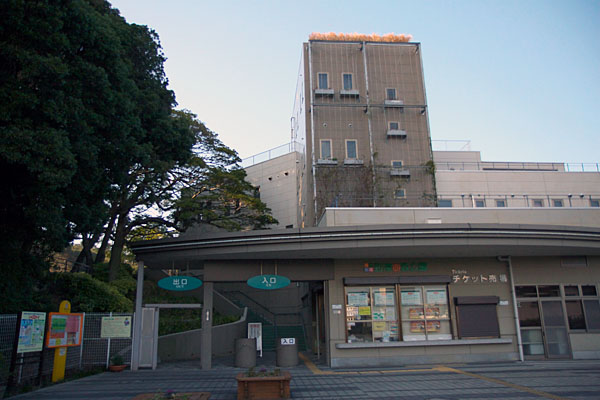
The 13-meter-high, 704-square-meter aviary is one you walk right into, so a baby in your arms can look up at some 50 birds of about 10 species. The Hometown Forest area is shaded by trees, so you can push the stroller through it even on a hot day.There are three baby rooms — the second floor of the Management Center, the petting zoo (Furemaru) rest house, and the Forest Information Center at the South Gate — each with a nursing room, a diaper changing bed for infants, hot water, a sink and air conditioning. The strollers for rent are all B-type; there is no A-type for newborns, so bring your own if your baby still needs one (rental is 100 yen a day at the North and South Gates, plus a 400-yen deposit refunded on return, and no reservations are taken). Children 3 and under enter free.

You can bring baby food in and feed the baby first; if you want your own ramen after that, you can ask them to time the bowls to suit. When someone has to hold the baby, the shop offers "dakko change" — the bowls made one at a time, staggered — so the two of you can swap and both eat while it is hot. The water on the table is free rooibos tea, caffeine-free.The store page lists just four services — store-only ramen, credit cards, transit IC cards and a child's chair — and says nothing about a diaper changing table, a nursing room or strollers. The chairs vary by store: a tall high chair, one that clamps to the table, a Bumbo seat set on a sofa. The chain notes that when the shop is busy, or the staff member is still in training, they may not offer it, so ask for dakko change yourself.