Ishikawa with a toddler (2–3) 7 spots
Ishikawa centers on Kanazawa, an old castle town the war never touched. Kenrokuen garden, the Omicho fish market, and a museum with a pool you walk under are all close together, and the soft serve comes covered in gold leaf.
A small vermilion shrine just outside Kenrokuen's Zuishinzaka gate, free to enter.
checked Sep ’26
21st Century Museum of Contemporary Art, Kanazawa
A contemporary art museum ringed by lawn, with fourteen galleries no two alike.
Stroller OK · Nursing room · Changing table · checked Aug ’26
A traditional-crafts theme park in the woods, where over 100 workshops fill old farmhouses.
Stroller OK · Nursing room · Family restroom · checked Aug ’26
Among the largest insect museums on the Japan Sea coast, centered on a subtropical butterfly house.
Stroller OK · Nursing room · checked Aug ’26
An 11.4-hectare strolling garden in central Kanazawa, begun by Kaga's fifth lord in 1676.
Stroller OK · Changing table · Family restroom · checked Aug ’26
Kanazawa's museum for the philosopher D.T. Suzuki: three wings, three gardens, all on one floor.
Stroller OK · Changing table · Family restroom · checked Sep ’26
Higashi Chaya is a preserved Edo-era teahouse street in Kanazawa, free to walk into.
Changing table · Family restroom · checked Sep ’26

Shichi-go-san starts at three here, and the blessing hands over a charm, chitose-ame candy and a stationery set.

Wrapping, by LAR/Fernando Romero, is a pavilion set on the lawn around the museum specifically so children can get inside it and play. On the same lawn stand twelve horn-shaped tubes - Florian Claar's Klangfeld Nr. 3 für Alina - joined in pairs by pipes underground, so a voice sent into one comes out somewhere you did not expect. The Kids Studio is open Tuesday to Friday, 10:00-15:00, as a rest space free to use for preschoolers and their families.Preschoolers view for free. Entering the building itself - the Public Zone - is also free; only the Exhibition Zone needs a ticket. Eating and drinking inside is not permitted, and the only drinks you may bring are in closed containers such as bottles or flasks. Food, umbrellas, selfie sticks and bags larger than B4 cannot be taken into the galleries, so leave them in a coin locker first - there are four in the building, and the 100 yen comes back. The free Public Zone alone takes about 30 minutes, short enough to finish before a small child runs out.

The village has a Children's Square, full of play equipment in the woods, from slides to swings to a seesaw. The park's own site has a page of activities for children aged 4 and under, modeled by sisters aged 2 and 4. In Kutani painting, a mistake wipes off with a cloth and you can start that part again.For individuals none of the activities take reservations; you sign up at each hall on the day and wait your turn. The entry fee starts at age 4. Strollers are lent free at the front entrance, five of them. The village is hillside, with slopes and steps in places, and the Fisherman's Hall restaurant has stairs, so a wheelchair cannot reach it directly. Paper-making needs about 40 minutes of drying after the workshop. The village is open 9:00 to 16:30, with last entry at 16:00, and they ask you to arrive at least 60 minutes before closing.

At this age children walk the butterfly house themselves, chasing the butterflies around the room. The first-floor terrariums have living insects moving inside them, and the second floor's staff's-favourite-insect corner changes about every three months.The butterflies are not to be touched — a torn wing leaves them unable to fly — and the glass of the display cases and specimen boxes is not to be tapped. Drinks may be had in four places: the entrance, the first-floor rest corner, the second-floor rest corner and the information corner; eating in the exhibition corners is asked against. Last entry is 30 minutes before closing (16:30 from April to October, 16:00 from November to March).
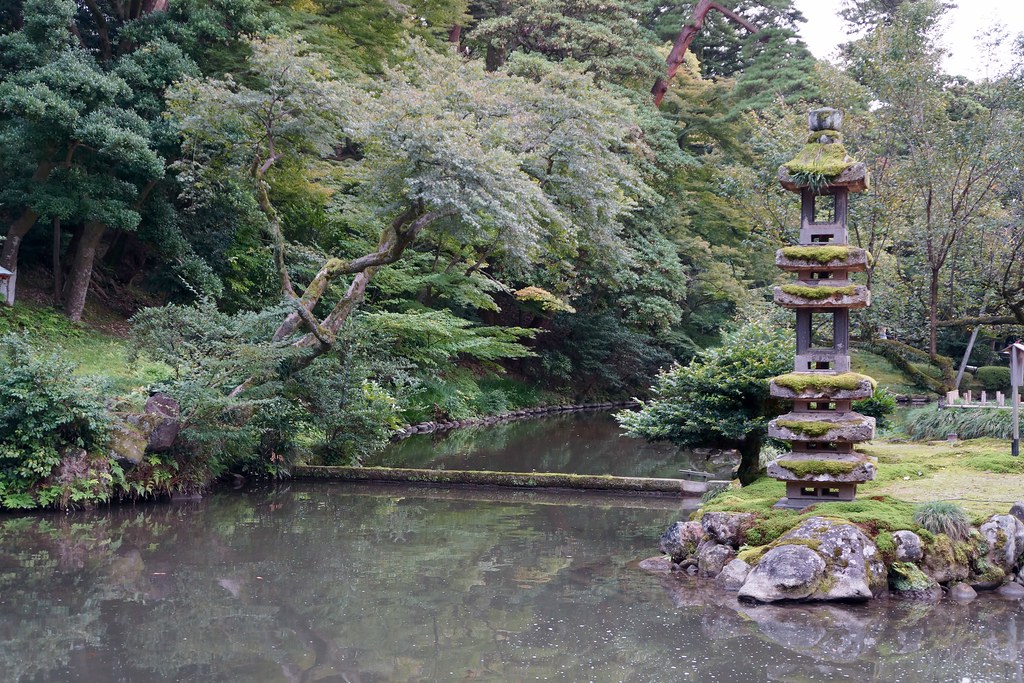
Legs run out here, because a two-year-old walked herself tired and fell asleep at the next stop, though parents of a three-year-old with a stroller put the loop at thirty to forty-five minutes.

The free path outside the museum is good to walk with a child, and its steps climb to a point that looks down on the Roji Garden from behind. That path and Honda Park, the green just north of the building, stay open even on the museum's closed days, so the loud half of an afternoon can happen out there.

Dressing up can carry this age: after renting a kimono, a three-year-old who normally asks to be carried walked for three hours. Stay on the main street, though, and plan a park stop: the same child refused the dim, silent side lanes and pushed for the slide at a park they passed.